
Your sample arrives. It is flawless — perfect color, clean finish, precise dimensions. You approve it. You place a production order.
When the shipment arrives, something is off. The color looks different. The finish feels rougher. Some bottles have defects that never appeared in the sample.
The factory insists the bulk run was produced to the same specifications. And technically, they may be right.
This is the sample paradox — and understanding why it happens is the first step to preventing it.
7 Reasons Samples Differ from Bulk Orders
1. Samples Are Crafted, Bulk Orders Are Manufactured
Samples are produced under ideal conditions — experienced operators, careful temperature control, extra inspection time. The factory wants your approval, so they give it their best.
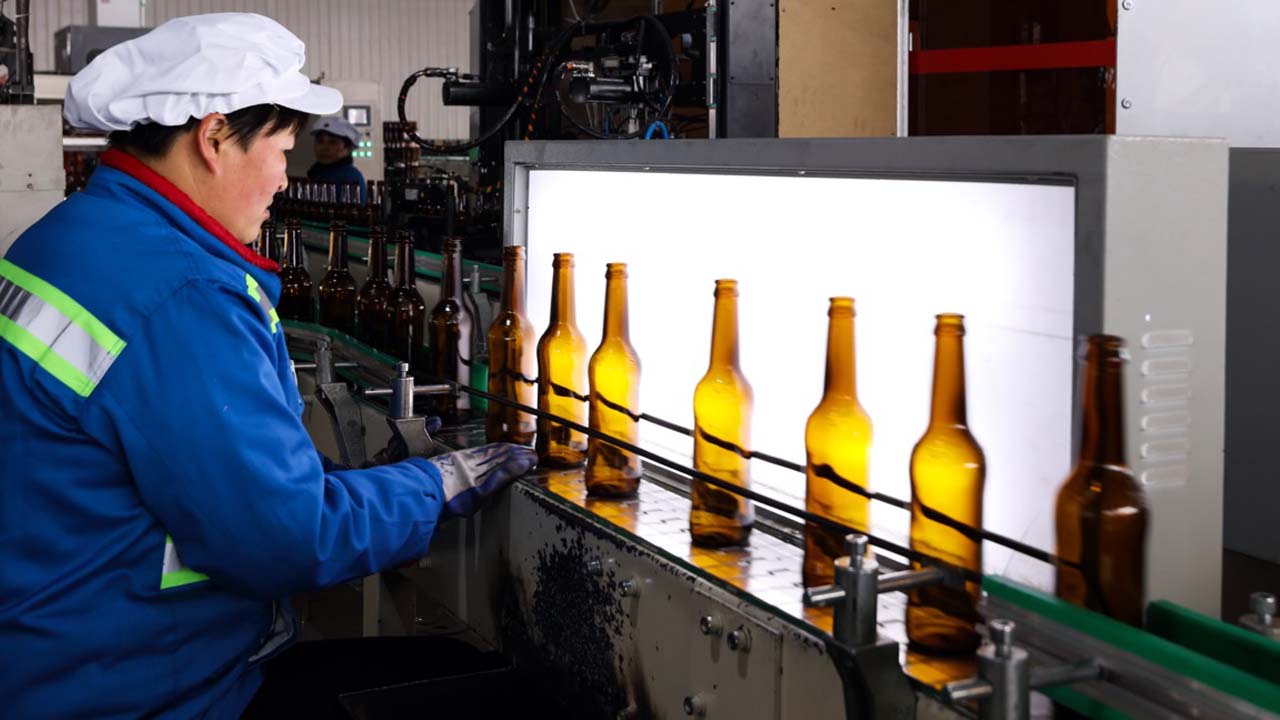
Bulk production runs at speed. Molds wear, operator attention varies across shifts, and furnace temperatures fluctuate over 24-hour cycles.
2. Gradual Mold Wear
Every time a glass mold closes and opens, it wears microscopically. After 10,000 cycles, a mold that produced a crisp edge on bottle #1 will produce a softer edge on bottle #10,000. The change is too slow to detect shift-by-shift, but the cumulative difference is visible.
3. Furnace Temperature Drift
Glass viscosity depends on precise furnace temperature. A 10°C variance changes how glass flows into the mold, affecting wall thickness and surface finish. Samples are produced during stable conditions. Bulk production spans hours of temperature fluctuation.
4. Color Batch Variation
Glass color comes from metal oxide additives. A sample uses one batch. Bulk production may span multiple raw material batches. Color variation between batches (Delta E 2–3) is normal within industry tolerance — but noticeable when bottles sit next to each other on a retail shelf.
5. Shift Handoffs
Experienced operators make real-time quality decisions. When shifts change, a new operator may interpret “good enough” differently. Bottles made at 2 AM can differ from bottles made at 10 AM.
6. Decoration Consistency
The sample was decorated by the most experienced operator with freshly mixed ink. In production, ink viscosity changes, screens stretch, and application pressure varies. This is why screened samples can arrive with misaligned prints or inconsistent opacity.
7. Post-Production Damage
Sometimes the bottle itself is fine — but packaging, stacking, or container loading introduces damage. Insufficient dividers, incorrect stacking patterns, or container moisture scratch and chip bottles after they leave the production line.
How to Close the Gap
1. Define criteria before approving the sample.
Document measurable dimensions, wall thickness minimums, color tolerance (Delta E), and defect classification standards. Approval without documented criteria is not approval.
2. Request a pre-production sample from the actual production mold.
Many samples come from prototype tooling, not the mold that will run your order. If the factory cannot provide a PP sample, that is a red flag.
3. Use third-party pre-shipment inspection.
$200–$500 per inspection can save thousands in rework, air freight, and lost sales. An objective inspector follows your standards and reports before containers seal.
4. Build a quality agreement into your PO.
Specify accepted defect rates, AQL thresholds, and a remedy clause for out-of-tolerance shipments. Without this, you have no basis to reject non-conforming goods.
Realistic Quality Expectations
| Metric | Good Factory | Excellent Factory |
| Dimensional accuracy | ±1% of spec | ±0.5% |
| Color consistency | Delta E ≤ 3.0 | Delta E ≤ 1.5 |
| Visual defect rate | ≤ 5% | ≤ 2% |
| Decoration alignment | ±1.5mm | ±0.5mm |
The best factories do not hide defect rates. They share them and drive continuous improvement.
The Bottom Line
A perfect sample is not a guarantee of a perfect bulk order. It is a starting point.
The gap closes when buyers define acceptance criteria upfront, verify production tooling, monitor in-process quality, and inspect before shipment.
Buyers who do these things consistently receive bulk orders that match their samples. The ones who do not learn the hard way.
 Japanese
  English
  Spanish
  French
  Russian
  Arabic
  Indonesian
  Italian
  Czech
Czech  German
  Danish
  Korean
  Estonian
  Moroccan Arabic
  Bulgarian
  Finnish
  Greek
Greek  Hungarian
  Latvian
  Lithuanian
  Norwegian
  Polish
  Portuguese
  Romanian
  Slovak
  Slovenian
  Swedish
  Turkish
  Ukrainian